Greek wine is in the midst of not one but several quiet revolutions. What we see today is above all a shift in intention among a new generation of winemakers – often working alongside their predecessors – who are re-examining everything that has long shaped Greek wine and its production. They are reconsidering not simply how wine is made in the cellar, but what it is meant to express in the modern world. The quest is becoming less about achieving a predefined style – one that serves as a marketing trope for easy gain – and more about crafting wines that feel relevant today: in a world shaped by global warming, by consumers seeking authenticity and distinct expression, and by a market whose understanding of taste continues to evolve.
In this new mindset, tradition is not left behind. Greece’s indigenous grape varieties remain central benchmarks for the industry, and the new cohort of winemakers draws deeply on this remarkable heritage. Assyrtiko, Xinomavro, Agiorgitiko, Moschofilero and many others, framed within Greece’s PDO and PGI systems, continue to act as reference points. A talented generation has come of age with a strong understanding of terroir and the country’s long-standing traditions, while embracing the clarity, balance, and drinkability these grapes can offer. Power and amplified ripeness are no longer automatic objectives; uniformity is no longer the cellar’s benchmark. Instead, restraint – and wines that speak more transparently of their origins – has become one of the clearest signs of this shift.
This new cluster of wines sourced from Greece’s PDO, PGI or varietal system aim for precision rather than impact. Extractions are gentler, oak is becoming far less apparent, structure is silently built to carry the wine through the years but not dominating its style. These are not merely technical adjustments in the cellar but stylistic decisions that reflect how wine is actually consumed today – in a less formative way and on everyday basis as part of a small pleasure. And further than that, as a perfect accompaniment to a cooking based on simplicity.
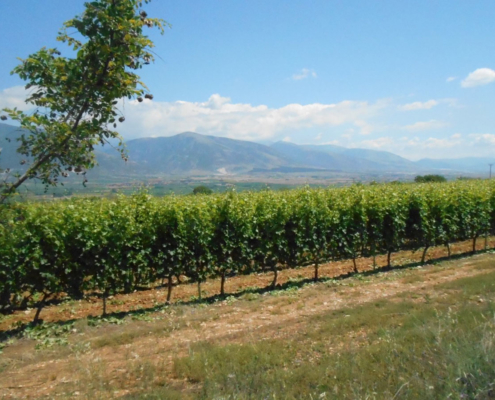
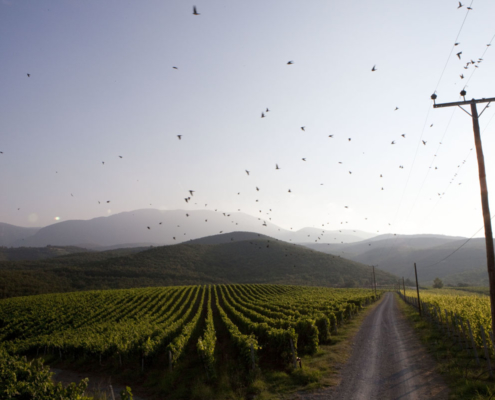
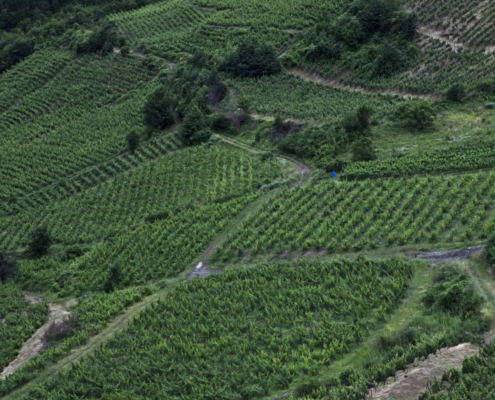
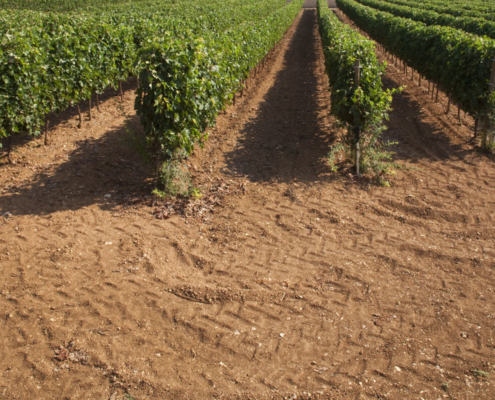
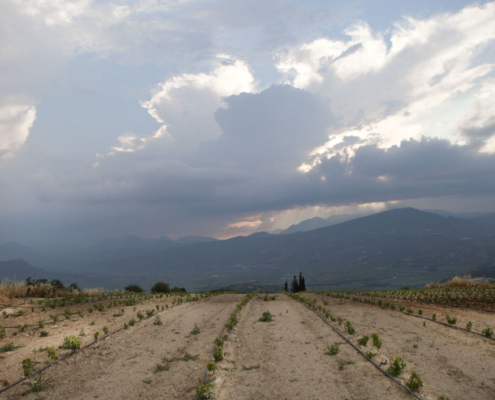
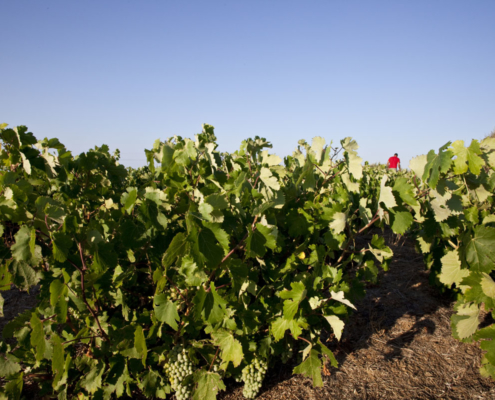
Change is equally visible in the vineyard. There is growing confidence in the specifics of terroir, with producers increasingly willing to let vineyard character shine, allowing vintage variation and subtle nuances to remain visible in the glass. This is not a retreat from control, but a different expression of it – one that values differentiation over uniformity.
Importantly, these developments are unfolding within PDO and PGI frameworks as well. Rather than limiting creativity, these designations often act as anchors, keeping innovation connected to place while allowing interpretation to evolve. The result is not a single modern Greek style, but a spectrum of approaches linked by a shared sensibility: thoughtful, measured, and responsive.
What defines this new winemaking mindset is ultimately not technique, but attitude. It is quieter, more deliberate, and less concerned with demonstration. It reflects a broader understanding that contemporary wine culture values authenticity over display and relevance over spectacle. In this sense, Greek wine is not reinventing itself; it is recalibrating – bringing intention closer to reality and tradition into dialogue with the present. And this evolving story is precisely what makes Greek wine so compelling today.