
From Tradition to Today
Greek wine has never existed in isolation. It has always been shaped by its people, the beautifully diverse land and a long-lasting tradition, it remains inseparable from its past. Its future lies in evolving that inheritance – revisiting, refining and reinterpreting tradition in the light of contemporary realities. It’s a tradition grounded in experience and guided by the wisdom to build on what already exists and sets Greek wine apart from the other winemaking countries.
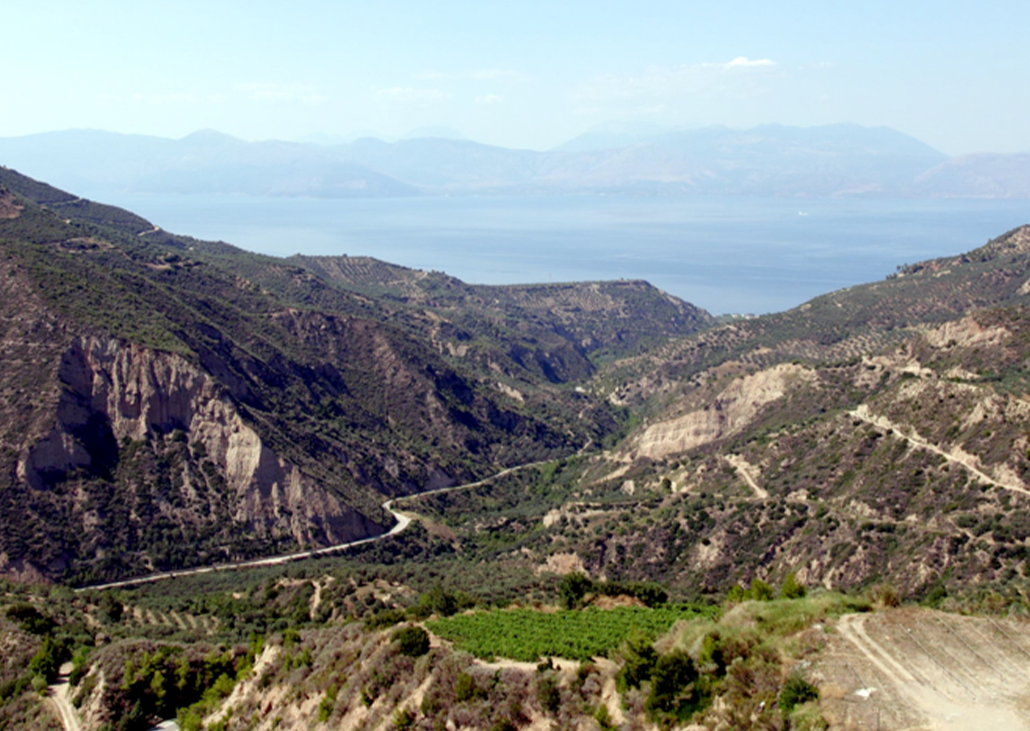
In Crete, this transition is especially evident. One of Europe’s oldest wine cultures is being re-expressed in a more contemporary way. In areas such as PDO Peza (ΠΟΠ Πεζά), long-established varieties are being revisited with closer attention to site, balance, and proportion. The wines keep a strong sense of origin, yet feel more current in style. Beyond individual appellations, PGI Crete (ΠΓΕ Κρήτη) is also seeing a wider revival of historic local grapes, strengthening both the island’s diversity and its sense of continuity.
In the Cyclades, tradition has always gone hand in hand with the need for adaptation. Limited water, constant winds, and fragmented vineyards, shaped local viticulture long before sustainability entered the global conversation. Today, within PGI Cyclades (ΠΓΕ Κυκλάδες), these challenging wine-growing conditions are approached with greater precision. Longstanding practices are not set aside, but thoughtfully adjusted, allowing the wines to express both the resilience of the islands and a more contemporary perspective.
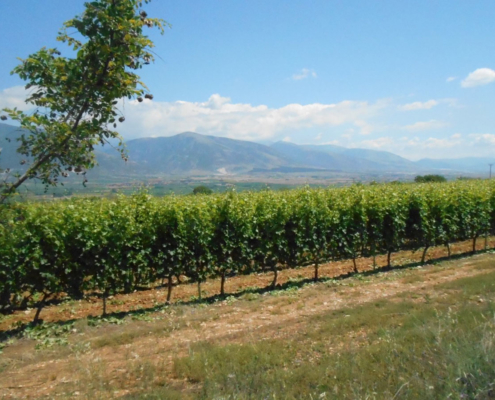
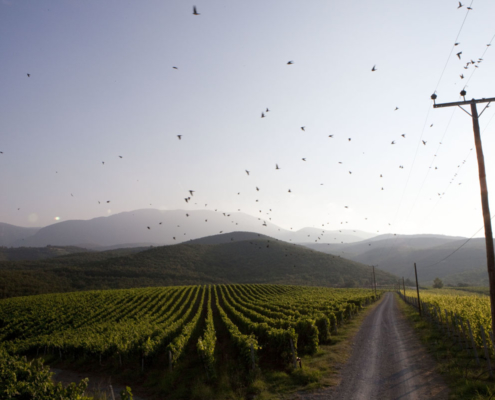
Further north, in PGI Thrace (ΠΓΕ Θράκη), continuity takes a different form. Winemaking here draws on deep historical roots while also reflecting a present marked by experimentation and diversity. Indigenous varieties co-exist in the vineyards with international grapes and result in a broad spectrum of very modern styles of wines. The region shows how identity can evolve when new ideas and approaches are embraced.
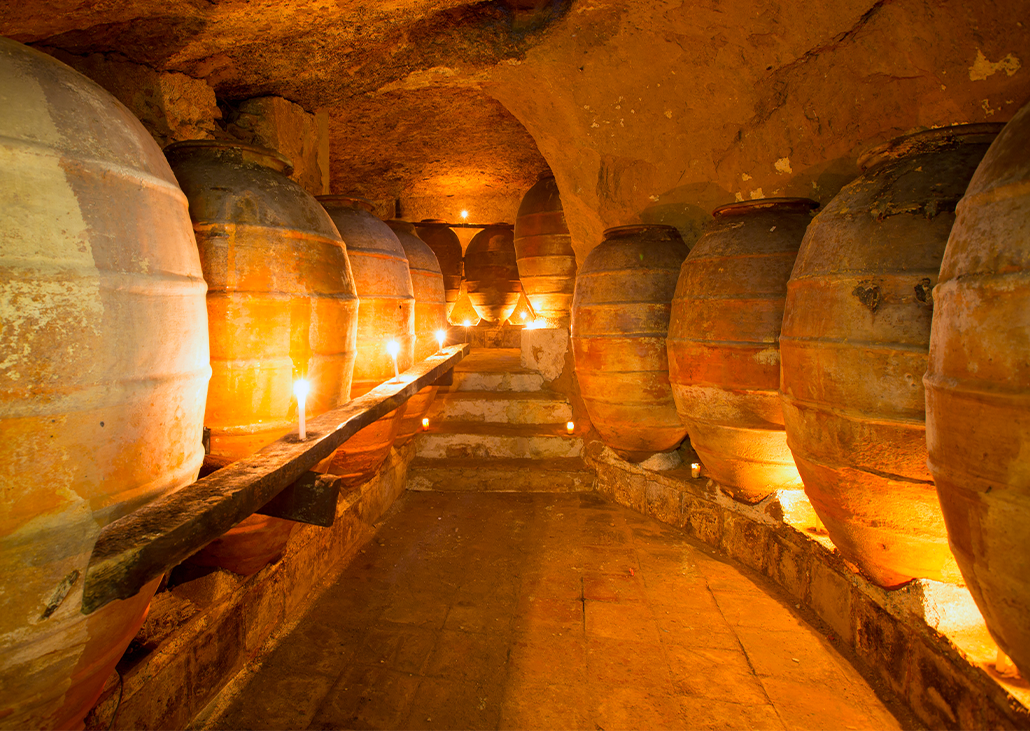
What unites these regions is not a shared style, but a shared process. Knowledge is carried forward without being immune to revision. Assumptions are questioned, techniques like the use of amphorae reassessed, and decisions made with today’s conditions in mind – climatic, cultural and economic.
From Crete to the Cyclades and Thrace, Greek wine today is shaped by a continuity that keeps evolving. Tradition is not a destination but a starting point – at times it can weigh heavily on producers, yet it also serves as a source of knowledge and perspective for building something better. This is perhaps the most compelling aspect of how producers engage with their heritage today: they preserve what proved meaningful, leave behind what no longer serves them, and use both experience and insight to shape wines that feel genuinely new and relevant to today.