
Greek vineyards – Built on adaptation and resilience
Wine has often been described through the language of ideal conditions – perfect climates, perfect vintages, perfect balance. Increasingly, that vocabulary feels removed from how things are shaped today.
Across the global wine world, growing conditions are becoming less predictable. Heat spikes, irregular rainfall and shifting seasonal patterns are no longer exceptions but part of the new normal. The central question is therefore not how to reach perfection, but how vineyards and producers respond in practice – season by season, decision by decision to the increasing climatic pressure.
Across the global wine world, growing conditions are becoming less predictable. Heat spikes, irregular rainfall and shifting seasonal patterns are no longer exceptions but part of the new normal. The central question is therefore not how to reach perfection, but how vineyards and producers respond in practice – season by season, decision by decision to the increasing climatic pressure.
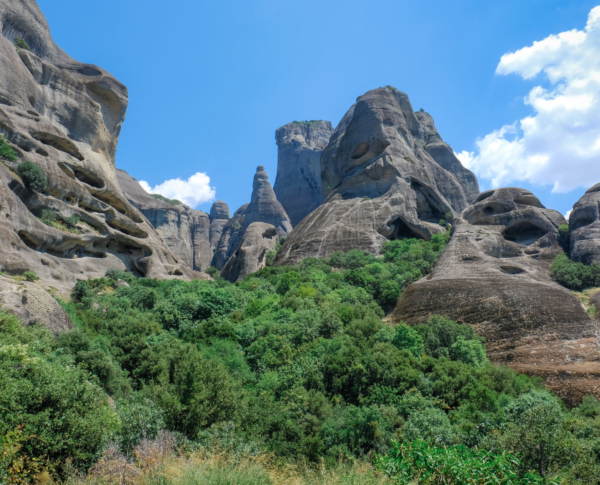
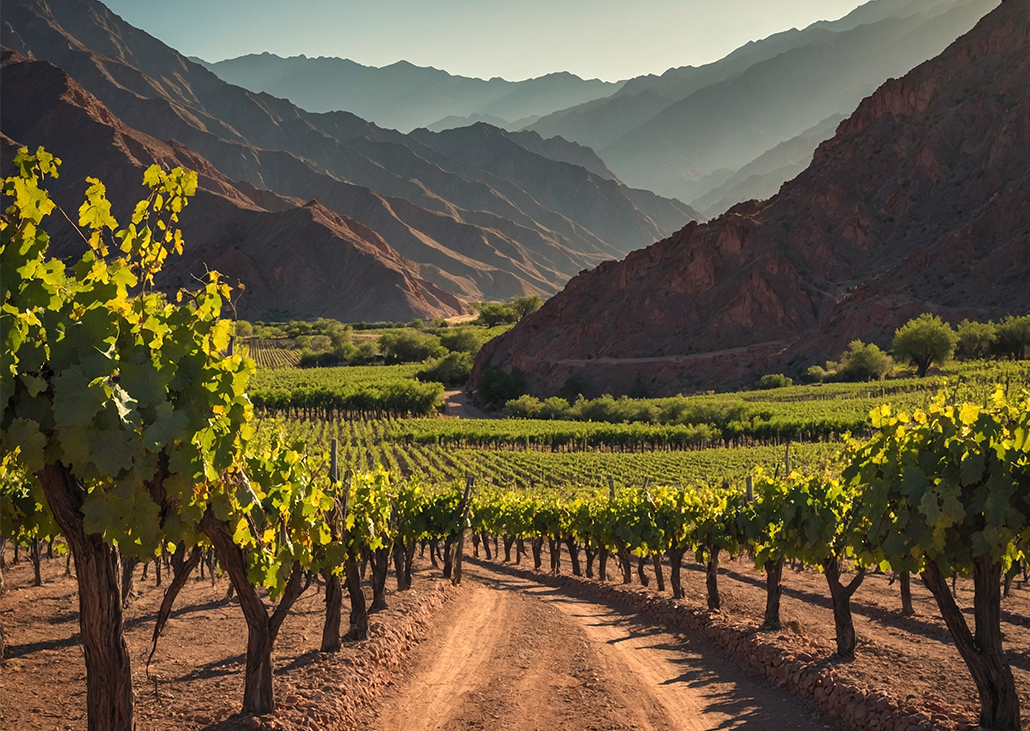
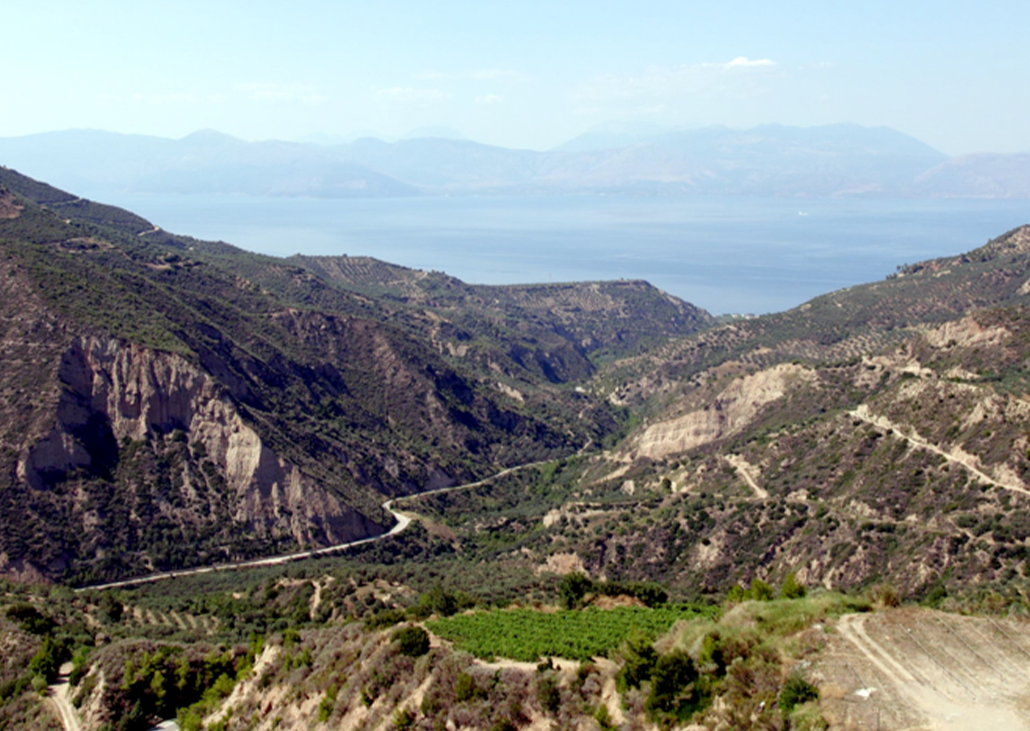
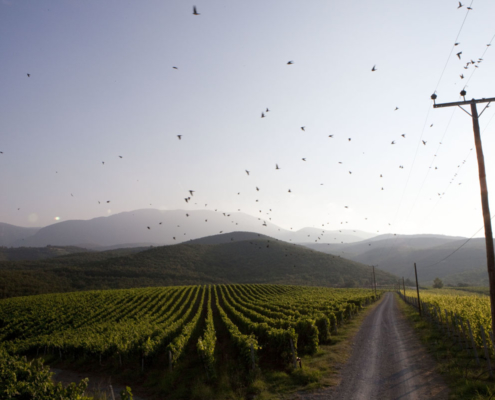
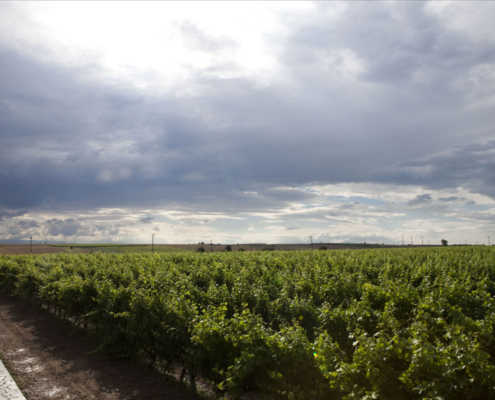
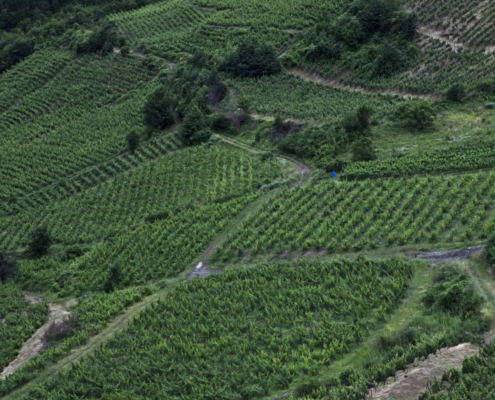
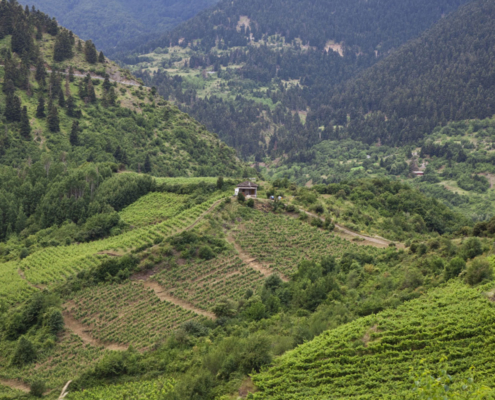
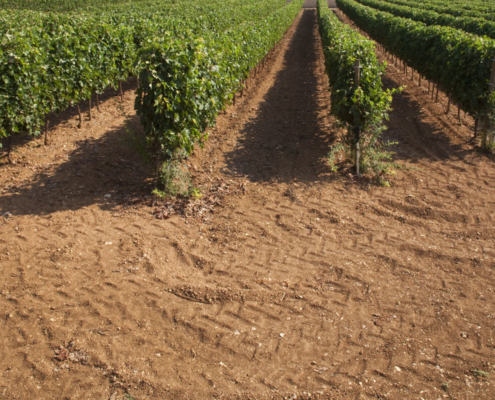
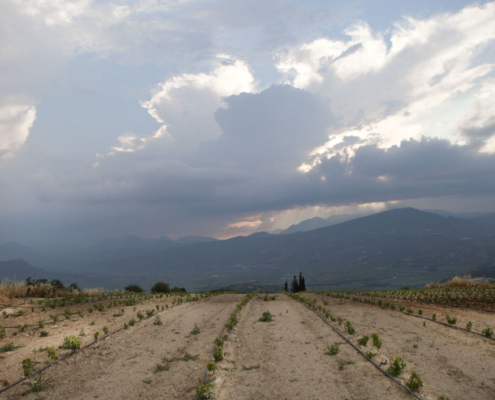
This logic can be seen across the country. On the islands, vineyards such as those of PDO Paros (ΠΟΠ Πάρος) have long been shaped by wind exposure, water scarcity and sandy soils. Here, planting density, training systems and harvest timing are guided first by what ensures stable ripening under these hostile circumstances. On the mainland, old, dry-farmed vineyards in PGI Attiki (ΠΓΕ Αττική) continue to produce balanced fruit even in hot years, thanks to deep root systems and long adaptation to low-water conditions. In higher-altitude zones like PDO Mantinia (ΠΟΠ Μαντινεία), growers have always had to manage cooler nights, delayed ripening and exposed terrain – factors that once made consistency difficult but today help preserve acidity and freshness in warmer seasons. These examples are not exceptions; they reflect the everyday operating conditions of the Greek vineyard.
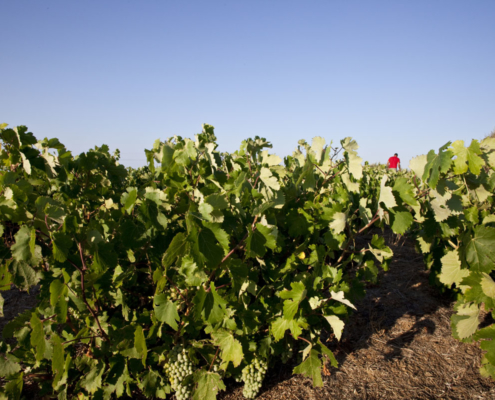
In this context, resilience is not a marketing term but a practical framework. Old bush vines, naturally moderated yields and vineyard choices shaped by necessity rather than efficiency have gradually formed systems that prioritise balance and concentration over volume. The aim is not identical results every year, but wines that remain true to their origin even when the season shifts.
Equally important, resilience in Greece has never meant resisting change. It means adjusting intelligently. Many producers now focus on earlier picking windows where needed, gentler extraction in the cellar, and vineyard practices that protect freshness and moderate alcohol. Seasonal variation is treated less as a problem to be corrected and more as an expression of the place – evidence of how site, climate and human decisions interacted in a given year.
This grounded approach increasingly resonates with today’s drinkers. As environmental awareness grows, consumers often value authenticity and transparency over technical uniformity. Wines that show freshness, proportion and a clear link to their growing conditions feel more credible than wines engineered toward a fixed style regardless of the year.
Greek PDO and PGI wines do not present resilience as a story added afterwards. It is built into how vineyards are planted, farmed and renewed over decades. Choices tend to favour continuity over short-term gain, and responsiveness over strict control. The focus is less on pushing vineyards beyond their limits and more on understanding where those limits lie.
In a wine world facing greater climatic uncertainty, this experience offers a different kind of confidence. Greek vineyards demonstrate that working within constraints can produce wines of character, balance and longevity. Here, endurance is not seen as compromise but as proof of a system that functions realistically – and continues to deliver identity in changing conditions.