Thrapsathiri and Liatiko: Exploring Two Native Treasures from Crete Island
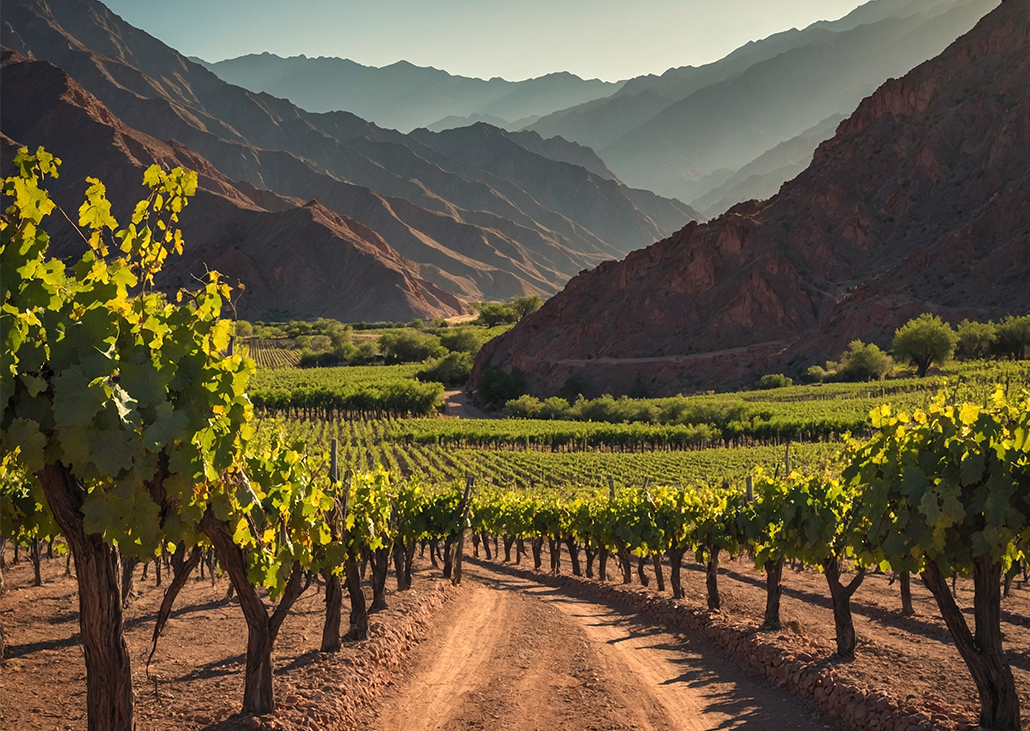
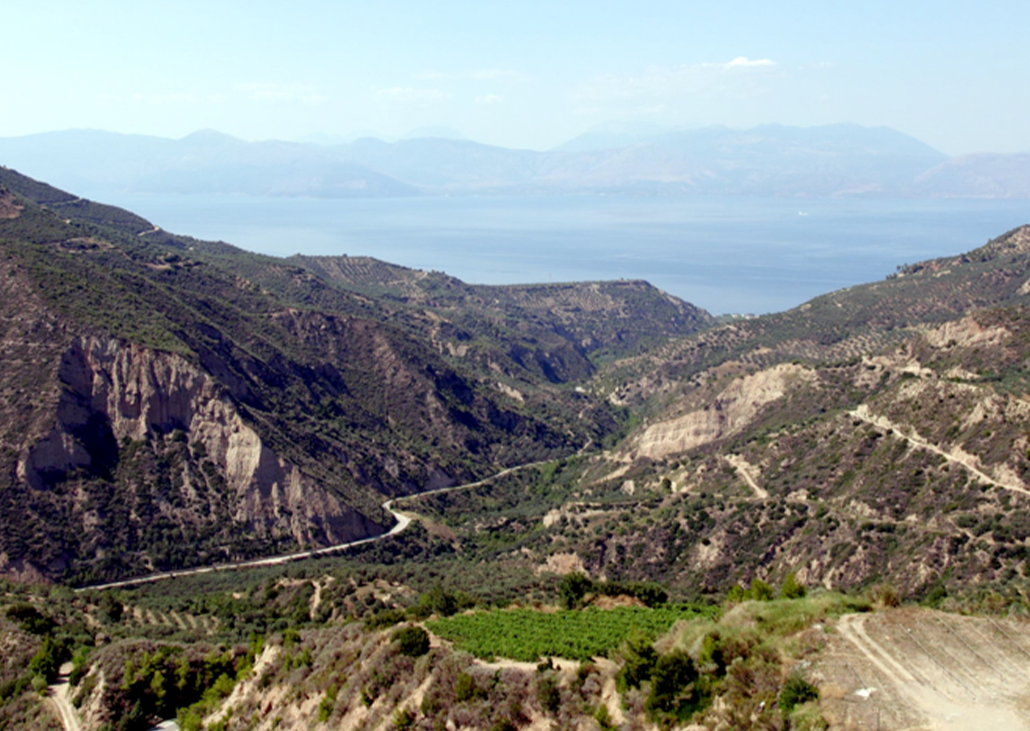
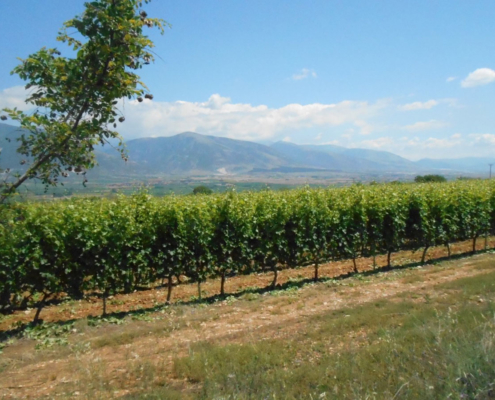
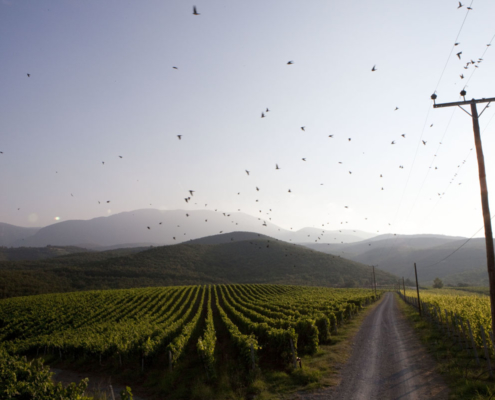
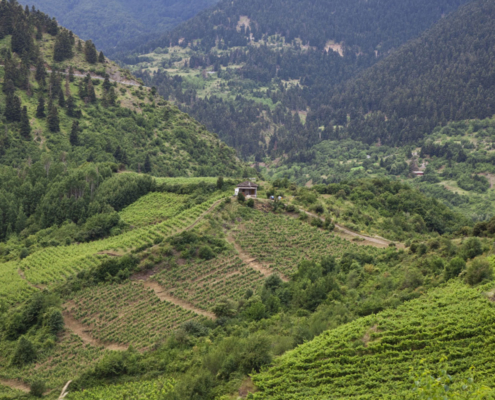
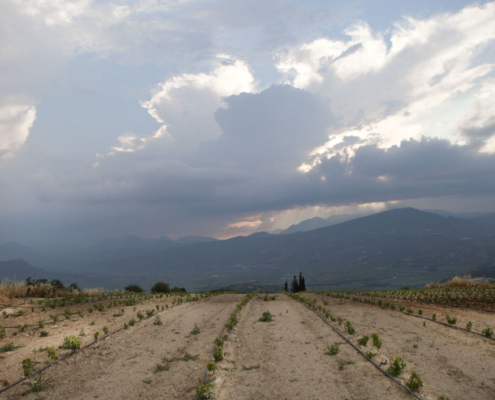
Crete—Greece’s largest island and home to a millennia-old winemaking heritage—continues to inspire with the abudance and quality potential of its indigenous grape varieties. Its rugged landscape, with winding mountain passes, varied altitudes, and a range of vineyard exposures, allows growers to cultivate vines in cooler mesoclimates with distinctive character. Among the varieties shaping the island’s modern wine identity, the white Thrapsathiri and the red Liatiko stand out as two of the most compelling expressions of Cretan terroir, with a growing presence in both PDO (ΠΟΠ) and PGI (ΠΓΕ) wines.
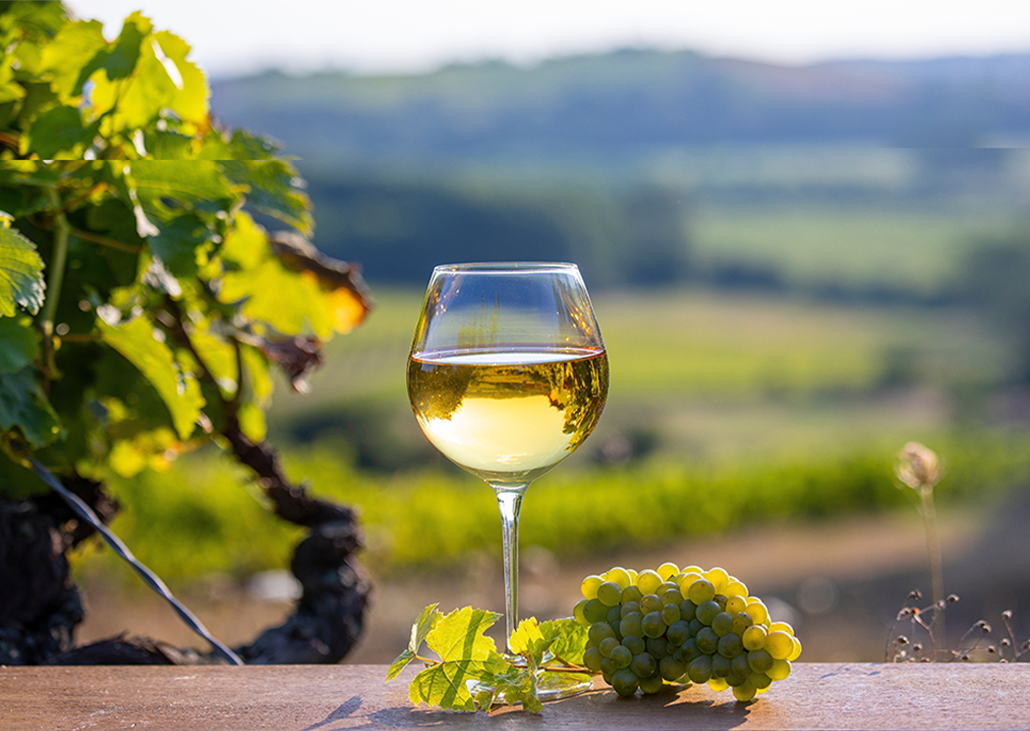
Thrapsathiri is a charismatic white grape variety found mainly in eastern Crete, particularly in the regions of Heraklion and Lasithi. Its wines stand out for their bold Mediterranean character, rounded texture, and balanced structure. The aromatic profile is dominated by notes of melon, peach, and other summer fruits, complemented by subtle mineral and spicy undertones that add extra complexity.
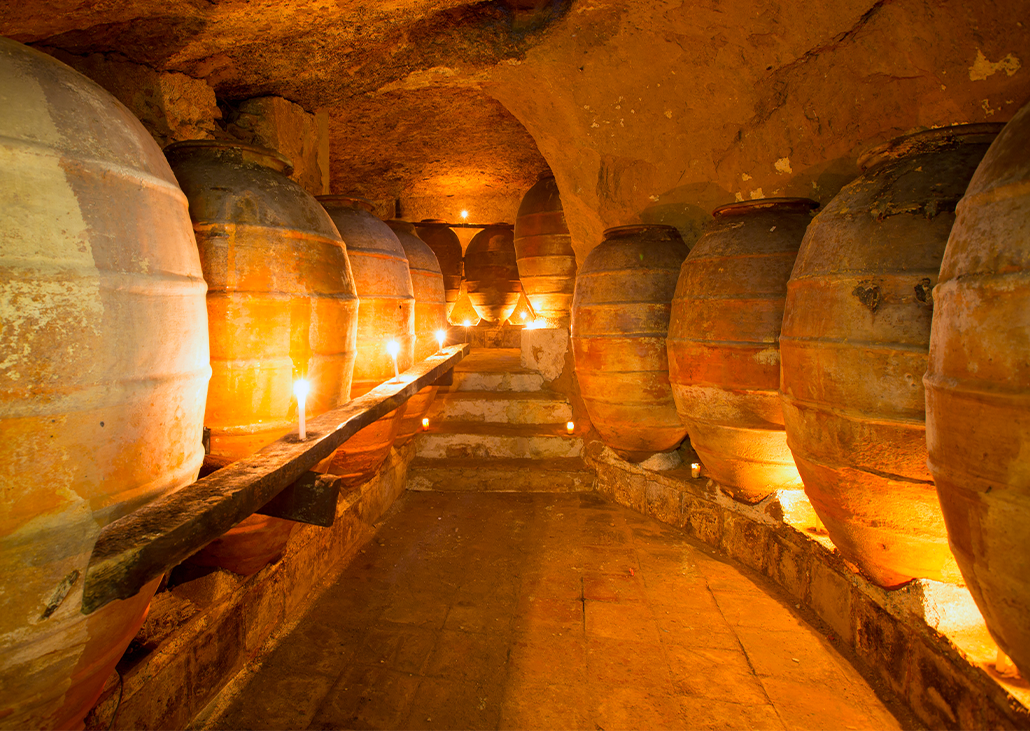
The variety thrives in poor, mountainous soils, producing wines with aging potential of 3 to 5 years or even more. In the zones of PDO Sitia (ΠΟΠ Σητεία) and PDO Χάνδακας–Candia, it plays a supporting role in the blends, while in the island’s PGI zones—such as PGI Crete (ΠΓΕ Κρήτη), PGI Lasithi (ΠΓΕ Λασίθι), and PGI Ιraklio (ΠΓΕ Ηράκλειο) it is vinified either as a single- varietal or in blends. Fermentations in barrel or amphora add depth and intensity without sacrificing the finesse that defines the variety. Thrapsathiri pairs beautifully with white meats, grilled fish, and richly flavored dishes, offering a compelling and complete gastronomic experience.
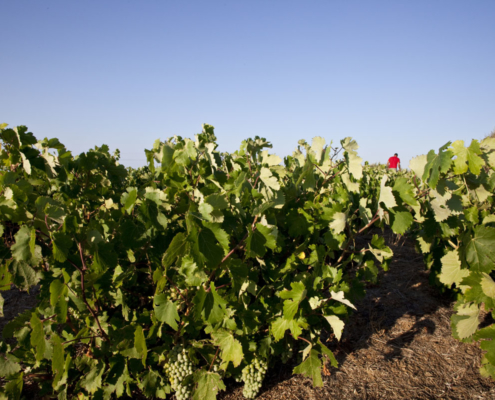
Liatiko is one of Crete’s most refined and historic red grape varieties, cultivated across all regional units of the island. Many of the vines are old—often pre-phylloxera and trained in traditional gobelet system—yielding fruit of remarkable concentration at very low yields.
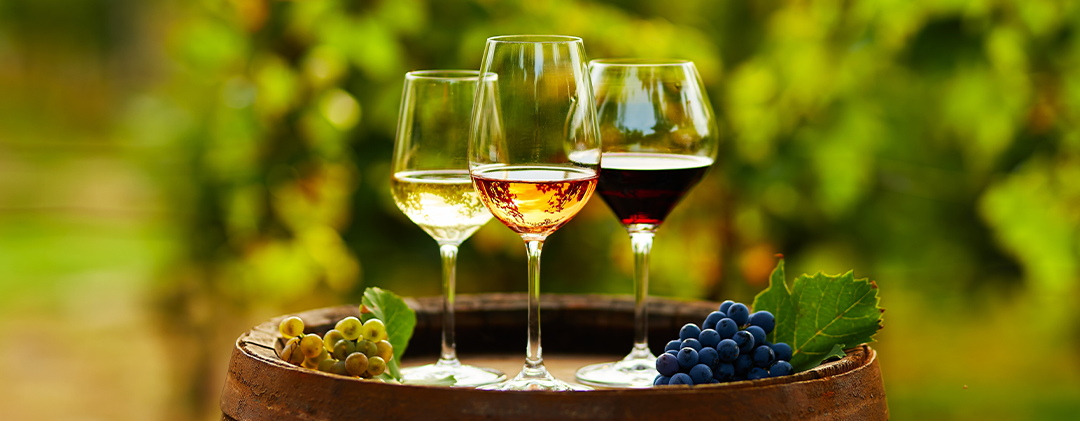
Liatiko features prominently in both dry and sweet wines of the PDO Dafnes (ΠΟΠ Δαφνές) and PDO Sitia (ΠΟΠ Σητεία) zones, as well as in PGI wines like PGI Rethimno (ΠΓΕ Ρέθυμνο). Dry Liatiko wines are noted for their pale, brick-red color, soft to moderate tannins, relatively high alcohol, and aromas reminiscent of dried cherries, figs, raisins, that evolve into earthy notes, spices, and Mediterranean herbs. Further aging enhances their complexity, with many bottlings released only after extended time in bottle.
Sun-dried sweet wines made from Liatiko are among Greece’s most outstanding dessert wines. Meanwhile, high-altitude vineyards—where natural acidity is preserved—can yield excellent rosés. In the realm of dry reds, a growing number of wines are made in a fresher, more fruit-forward style, with softer tannins and immediate drinkability.
Liatiko pairs beautifully with traditional Cretan dishes like antikristo lamb, gamopilafo, and slow-cooked meals in spiced tomato sauces, as well as with a wide range of Mediterranean cuisine.
Thrapsathiri and Liatiko are two varieties that reflect the authenticity of the Cretan vineyard and the passion of local producers for preserving the island’s winemaking tradition. Through the island’s PDO (ΠΟΠ) and PGI (ΠΓΕ) wine zones, these grapes compellingly convey the identity of Crete’s viticulture—its distinctive aromas and flavors—to wine lovers around the world.