PDO Naoussa (ΠΟΠ Νάουσα) is one of Greece’s historic single-variety appellations, built entirely around Xinomavro and long associated with structured red wines designed for ageing. Yet this traditional description feels incomplete today, as it does not fully reflect the stylistic breadth the region is now able to express.
Naoussa remains the natural home of Xinomavro, but producers increasingly explore multiple interpretations of the grape – not by departing from its identity but by understanding more clearly the nuances of site, vineyard and wine-making approach. The result is a broader spectrum of wines that still speak unmistakably of place.
A noticeable shift is underway from sheer power toward precision and definition. Modern Naoussa wines tend to move away from heaviness and toward clarity and elegance. Fruit shows greater purity, aromatics appear more detailed, and structure frames the palate rather than dominating it. This evolution does not soften Xinomavro’s character; instead, it sharpens it, making the wines more expressive and more adaptable to contemporary drinking habits.
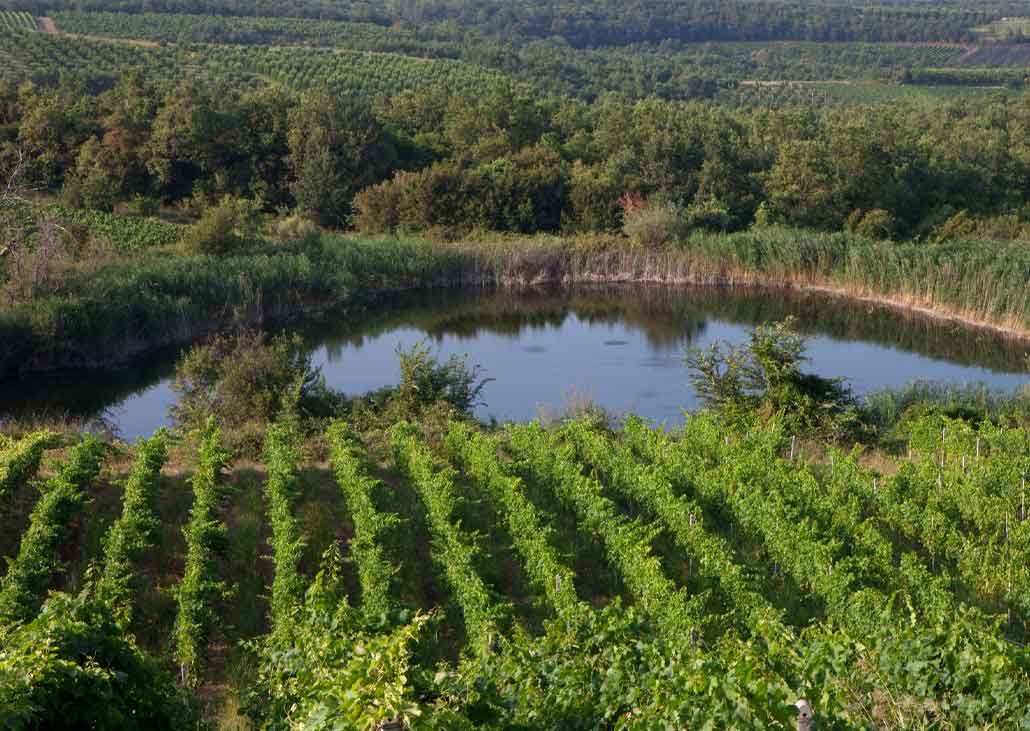
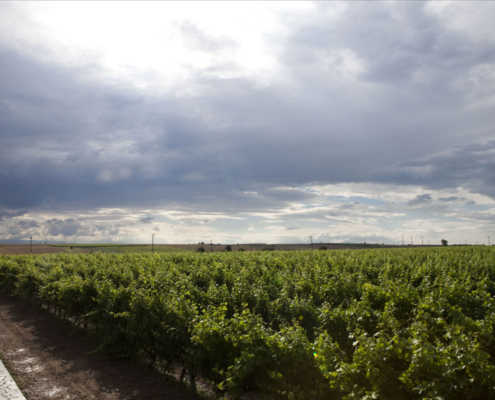
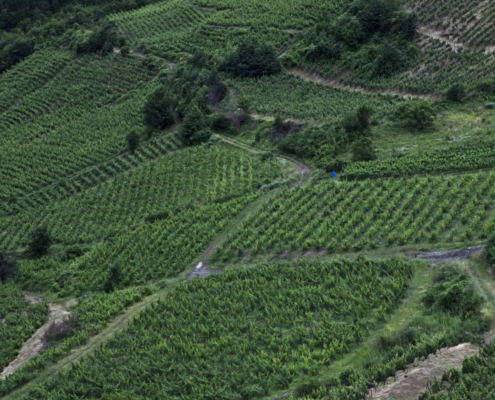
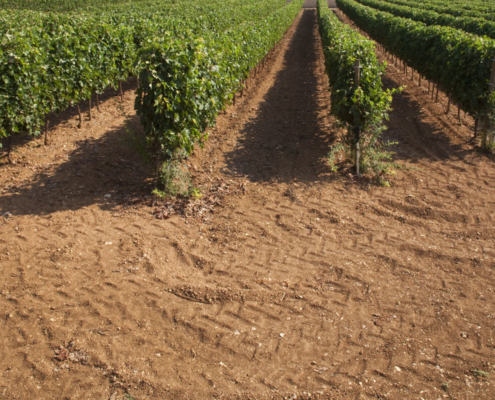
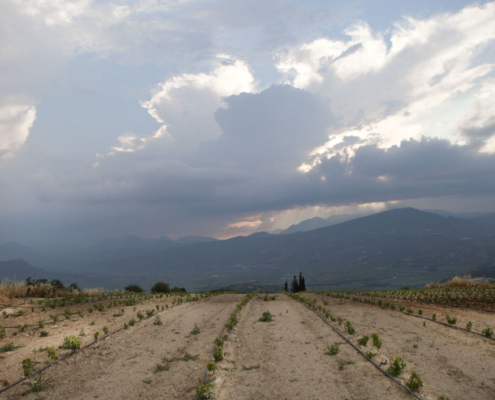
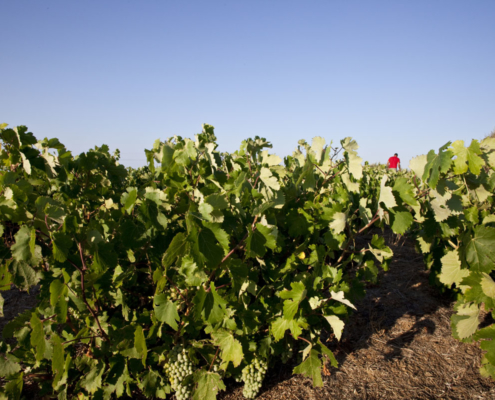
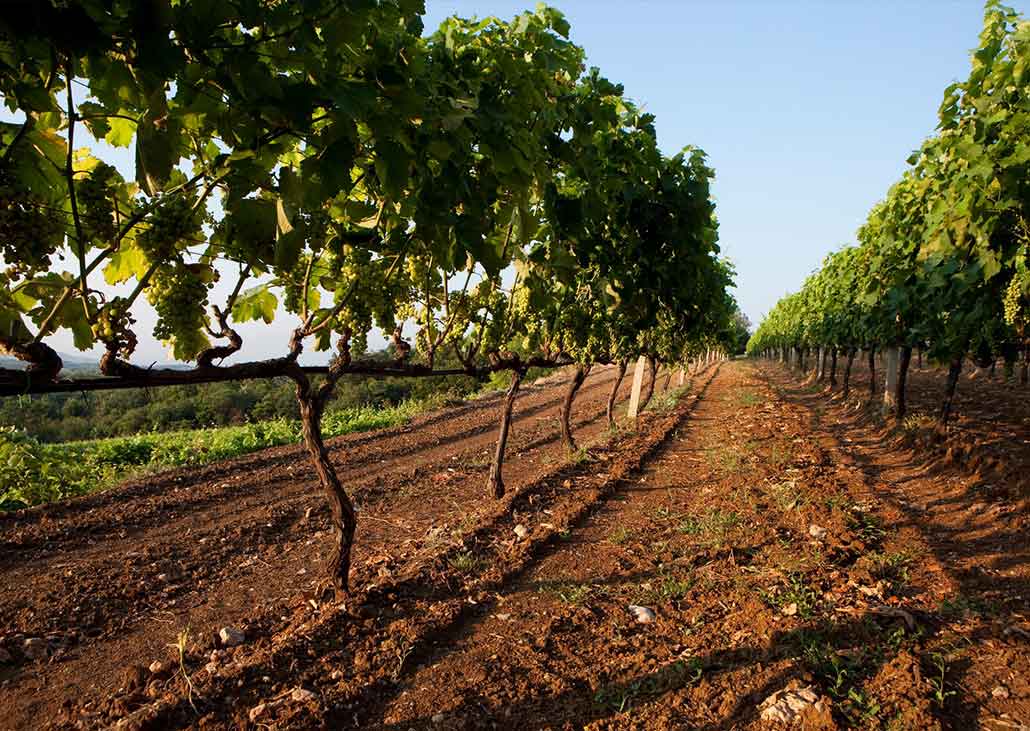
This stylistic refinement reflects a deeper reading of the landscape itself. Naoussa’s vineyards have never spoken with a single voice, and today’s wines increasingly acknowledge this diversity. Variations across slopes, soils and village sectors are no longer blended into a uniform style but highlighted through distinct expressions. Single-vineyard bottlings from different parts of the zone make these contrasts clearer, helping drinkers understand how terroir shifts within the appellation and how these differences shape the wines.
Equally important is Naoussa’s positioning today. The wines are no longer presented only as destined to last long and wait decades in order to drink them. They are increasingly recognised as wines of relevance – capable of offering both early drinkability and long-term evolution. This dual capacity, combining immediacy with ageing potential, has become one of the appellation’s strongest modern attributes.
Within this context, Xinomavro reveals a more layered and balanced profile. Structure remains central to the grape’s identity, but it is expressed with greater restraint and integration. Fruit now sits more confidently at the forefront, supported by firm tannins and vibrant acidity. The wines feel completer and more harmonious than in the past, without sacrificing their unmistakable personality or sense of origin. Fruit, texture and freshness coexist in a way that makes Naoussa both authentic and highly relevant to how wine is enjoyed today.
Naoussa’s importance within the Greek vineyard lies precisely in this ability to evolve without losing its core. It shows that a historic PDO does not need radical reinvention to stay meaningful. By refining its focus, clarifying its expressions and allowing site and fruit to speak more transparently, the appellation strengthens its identity rather than redefining it.
In a global wine landscape where red wines are increasingly valued for balance, drinkability and authenticity of origin, Naoussa offers a persuasive model. As producers continue to deepen their understanding of individual vineyards and micro- terroirs, the range of expressions will only grow more compelling. This ongoing dialogue between knowledge, place and interpretation ensures that Naoussa is not simply preserved as a classic, but continuously rediscovered as a living, evolving benchmark for Greek red wine.